Executive Summary
DrugHub represents a complex hidden service operating on the Tor network. As a decentralized platform, it facilitates the exchange of digital commodities, privacy-centric services, and cryptographic assets. Observers note that the platform was designed with a strictly utilitarian approach, catering to users who require high-level operational security and anonymity.
The platform relies heavily on modern cryptographic standards, rejecting legacy payment systems in favor of advanced, untraceable protocols. This analysis aims to dissect the structural integrity, historical evolution, and technical methodologies employed by the platform's administrators.
Historical Timeline
Technical Architecture
-
Escrow & Multisig The platform operates a traditional traditional escrow system alongside sophisticated multi-signature (multisig) capabilities, ensuring funds remain locked until both participating parties fulfill cryptographic conditions.
-
Walletless Architecture To mitigate the risk of centralized fund seizures, the infrastructure employs a walletless, direct-payment ordering system. Transactions are settled directly on the blockchain per order.
-
PGP Encryption Standards All communications, disputes, and account recoveries are strictly bound to 4096-bit RSA PGP keys. Plaintext communication is systematically rejected by the platform's backend parsers.
Community & Statistics
Platform Interface Preview
[ARCHIVE LOG] The following visual data was captured during a routine structural analysis of the platform's user interface.
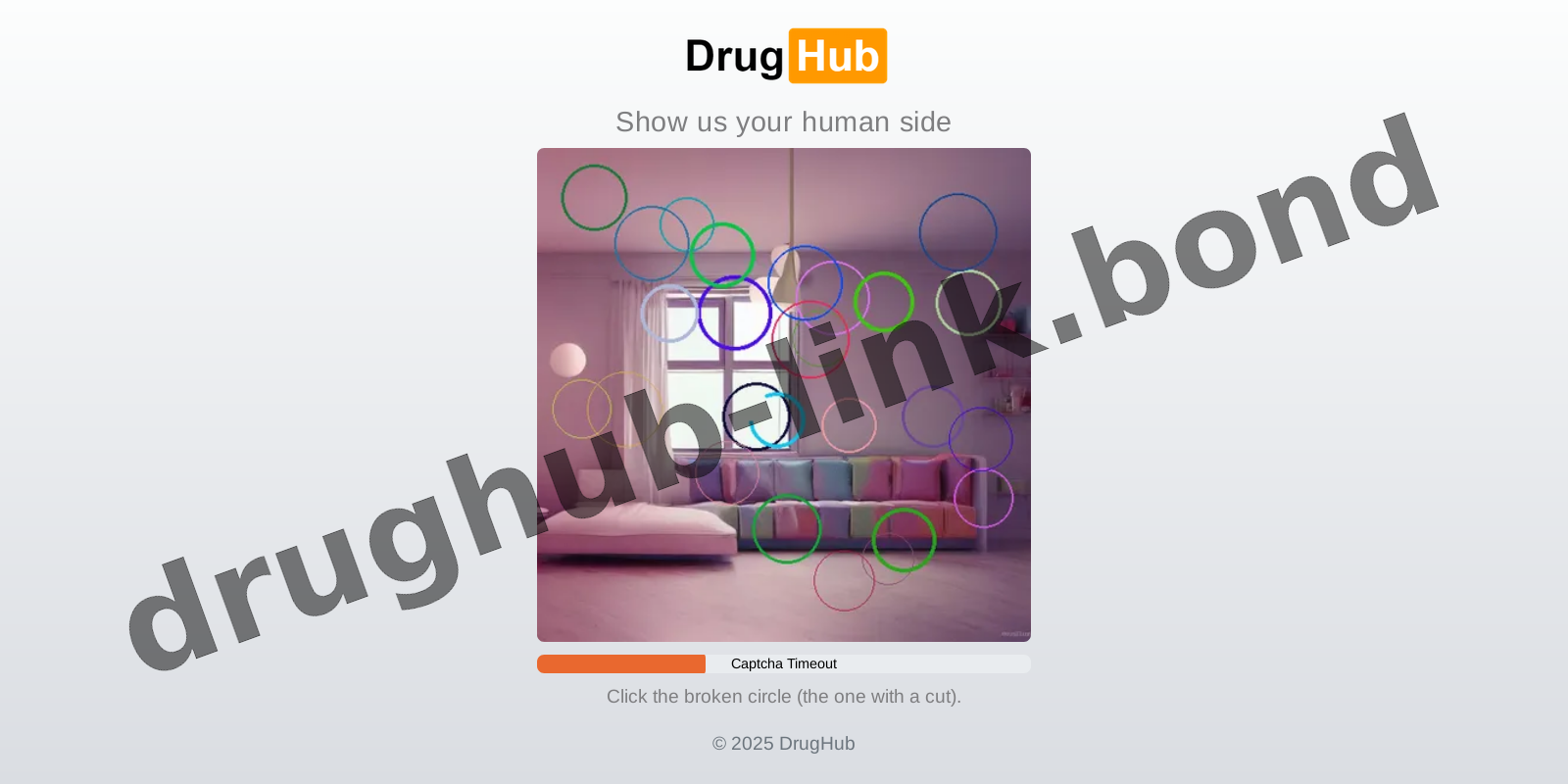
Fig 1. DDoS Protection Screen
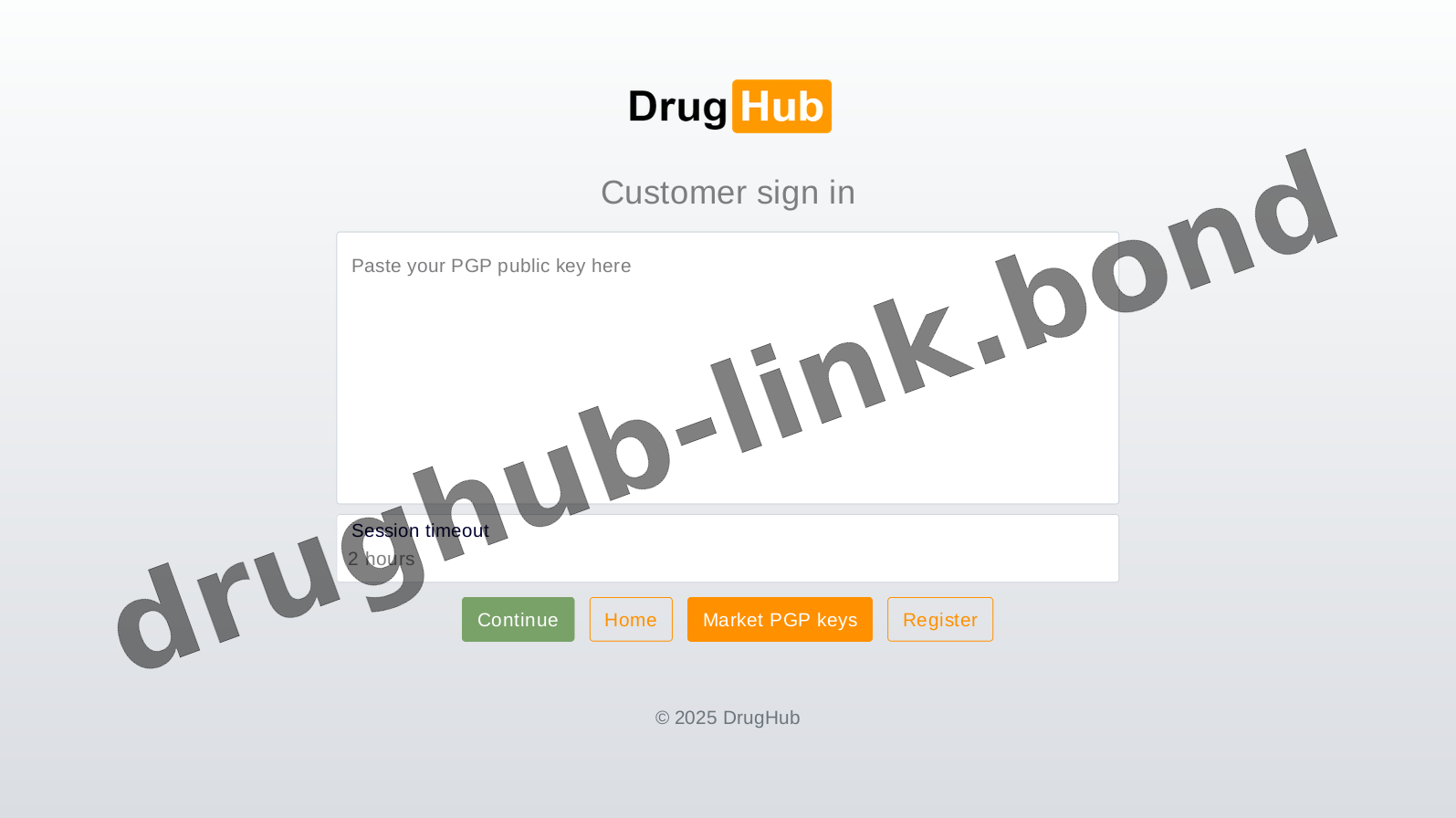
Fig 2. User Login Interface
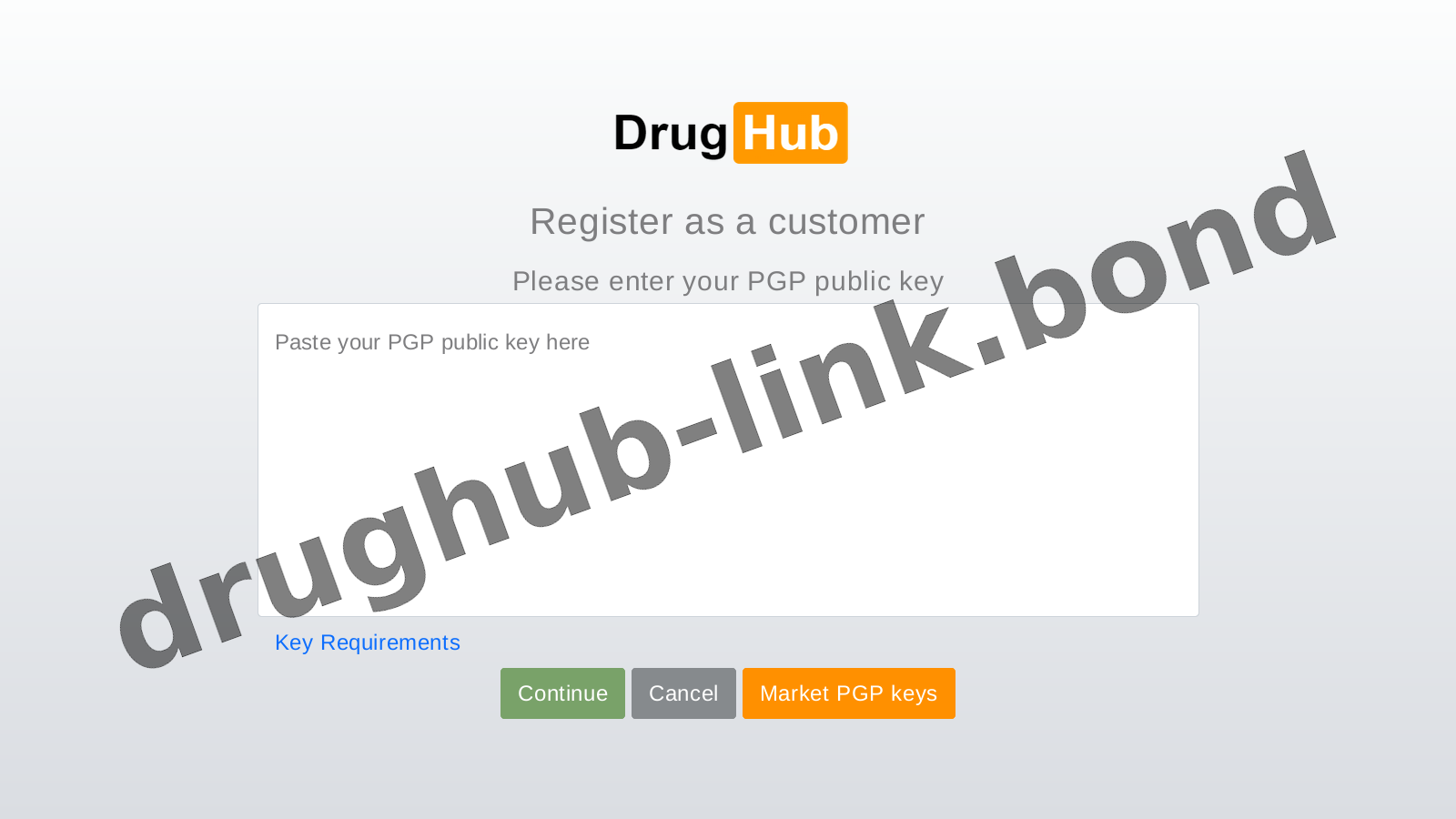
Fig 3. Account Registration Page
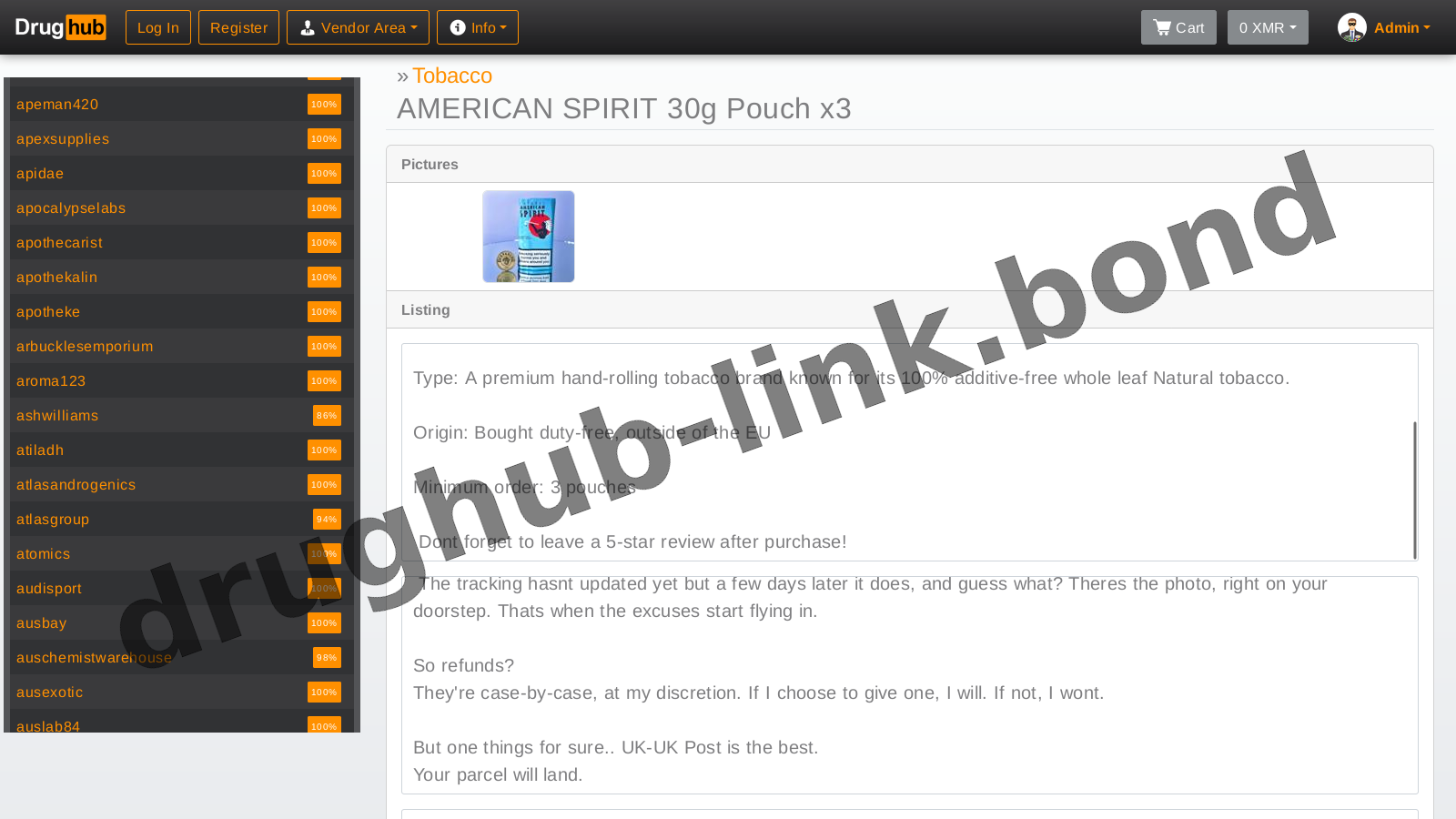
Fig 4. Main Market Dashboard